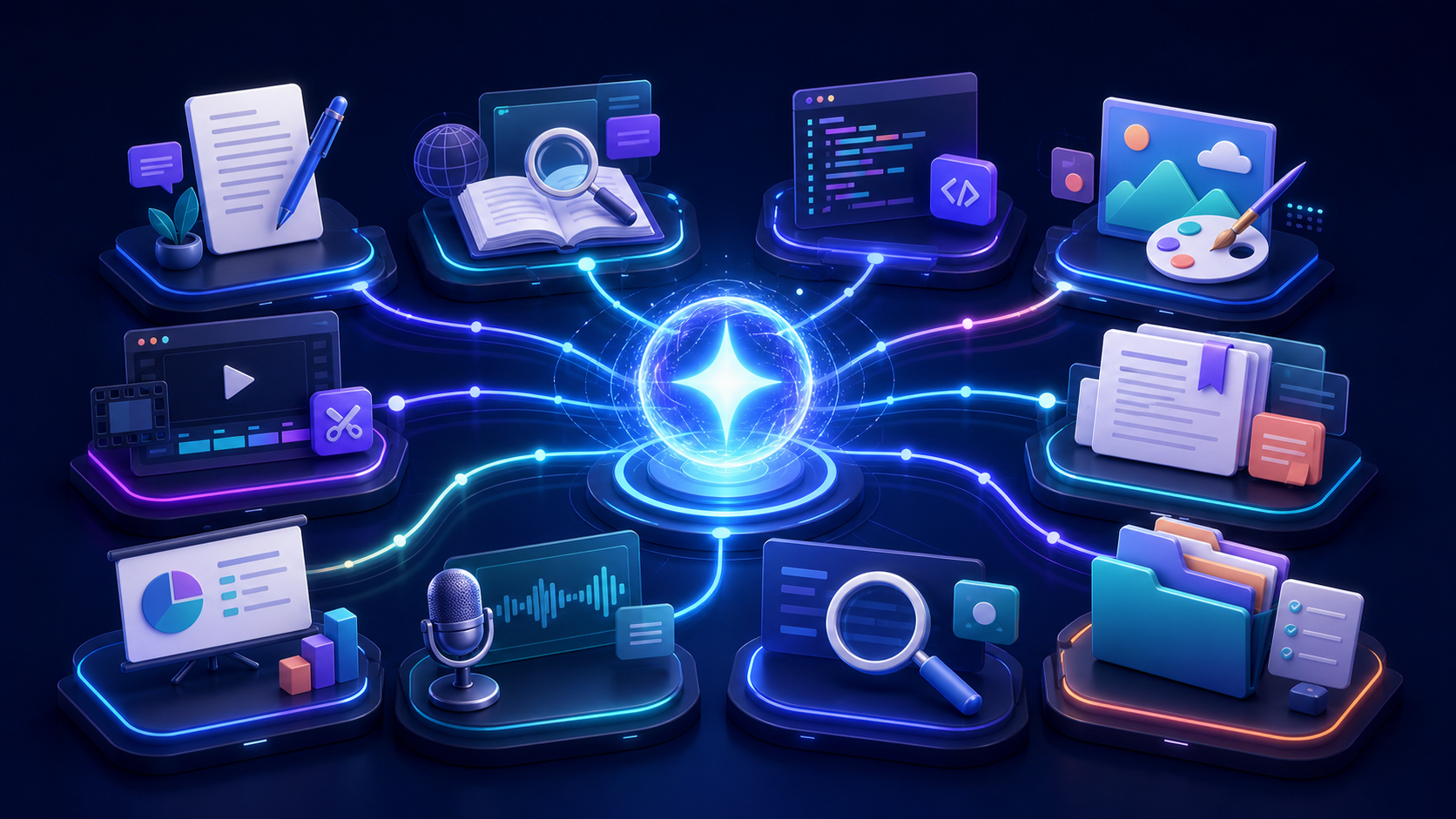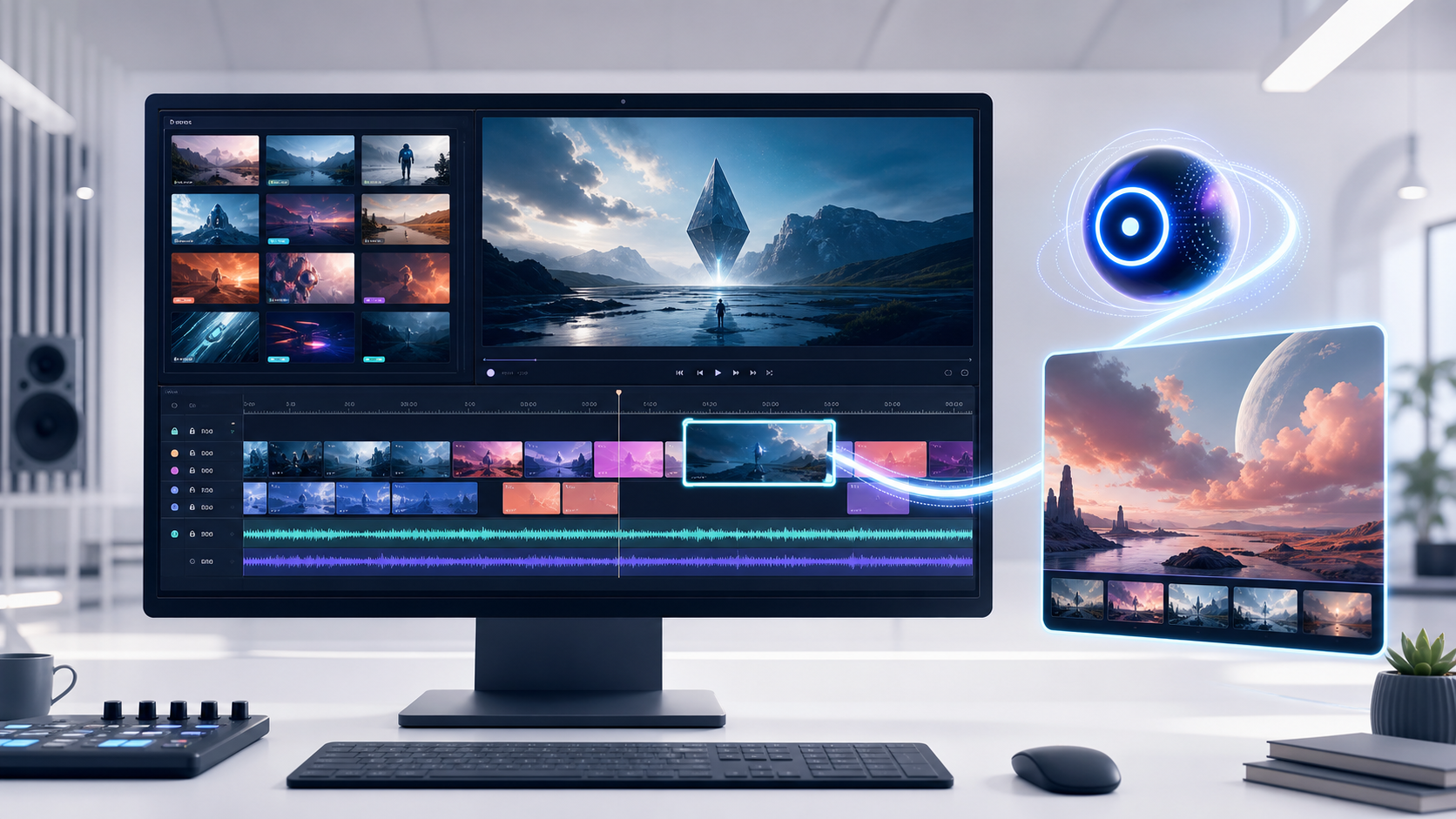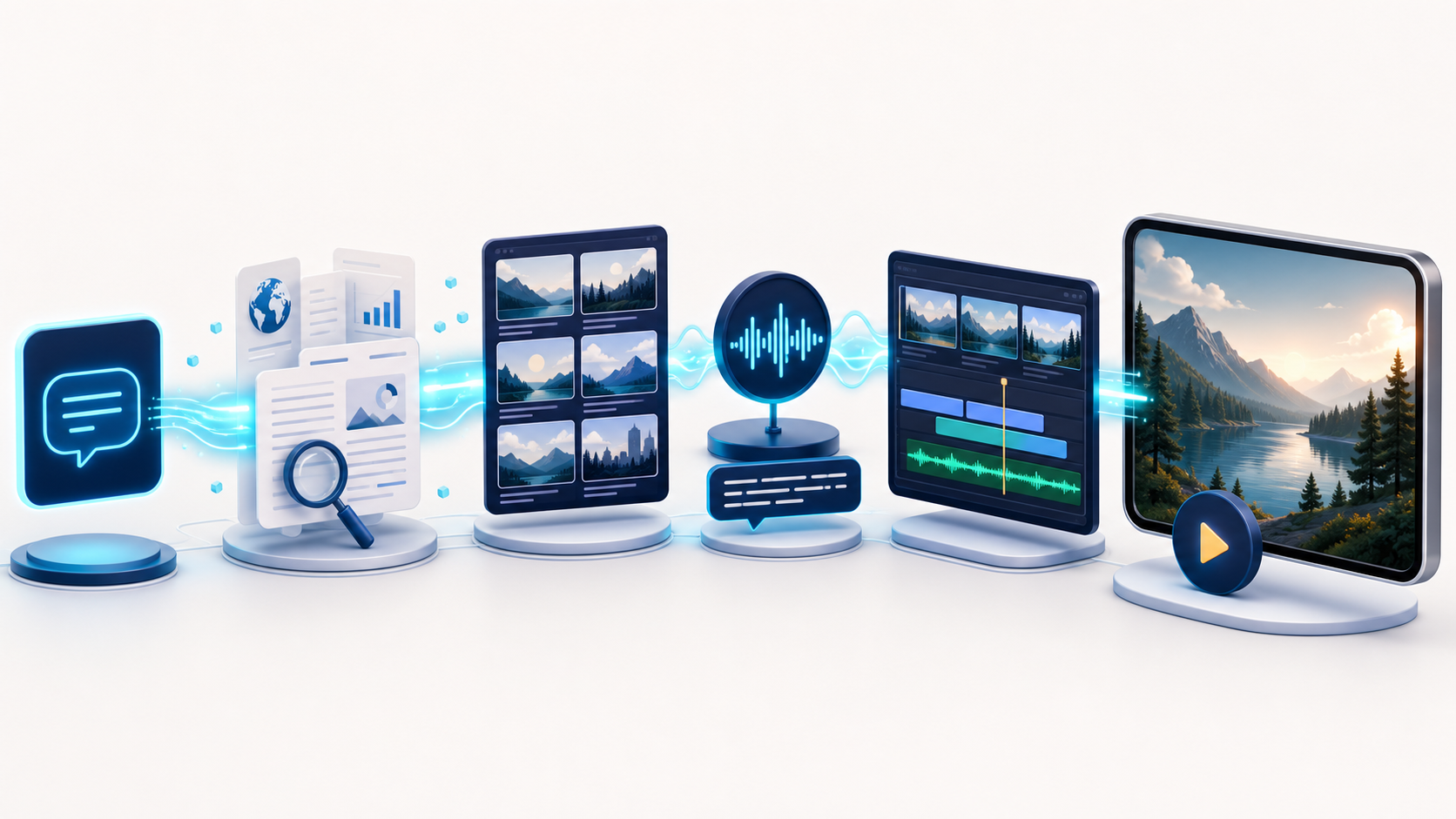
Producing a polished video normally means moving between research, scriptwriting, stock-footage libraries, voice tools, subtitle generators, and an editor. OpenMontage approaches the problem differently: it gives an AI coding assistant a structured collection of video-production pipelines, tools, and skills so the assistant can coordinate the workflow from a production brief.
What OpenMontage does
The open-source project describes itself as an agentic video production system. Its workflows can research a topic, build a grounded plan, generate visual assets, find suitable footage and music, write narration, create subtitles, and render a finished video. It can also begin with an existing YouTube video, Short, Reel, TikTok, or local clip and turn that source into a new production plan.
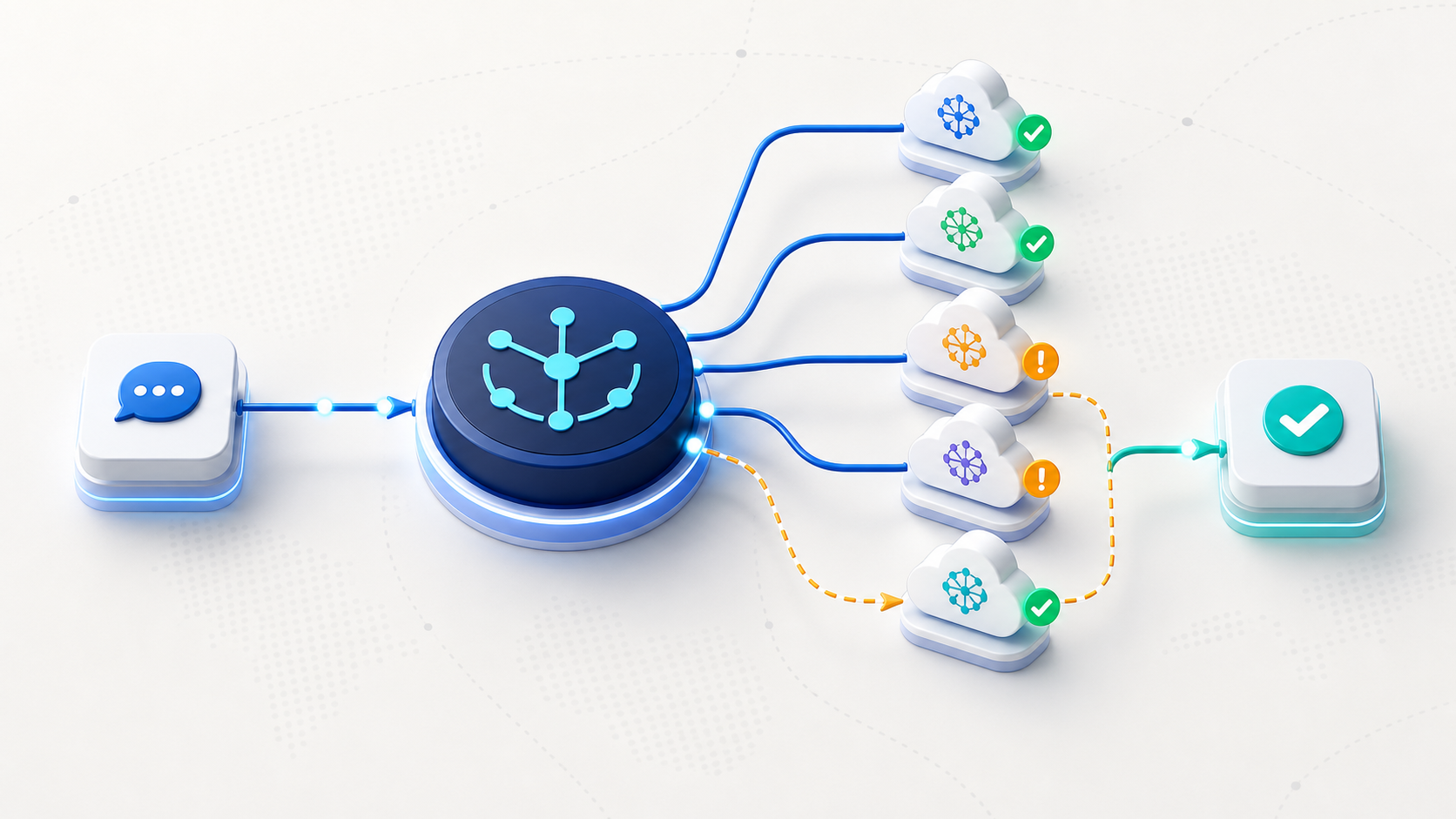
OpenMontage is not a single magic video model. It is an orchestration layer: the quality, cost, and licensing of the result depend on the models, search services, media sources, and voice tools connected to it.
Who it is for
The system is most useful for technically comfortable creators who already use an AI coding agent and want a repeatable, inspectable production pipeline. A marketing team could create explainers from structured briefs; an educator could turn research notes into narrated lessons; and a developer could customize the workflow for a specialized channel.
Important considerations
Review factual claims and source attribution before publishing.
Confirm that footage, music, fonts, and generated media permit your intended use.
Budget for any external model or media APIs used by the workflow.
Inspect the final narration, subtitles, pacing, and transitions instead of treating the first render as finished.
Getting started
Start with a short test video and a clearly scoped brief. Install the project from its official GitHub repository, read its current setup requirements, and connect only the services you need. A small pilot makes it easier to understand which steps run locally and which call external providers.
OpenMontage is compelling because it treats video as a reproducible agent workflow rather than a sequence of disconnected manual tasks. It can save time, but editorial judgment remains essential.
Video reference: Watch the OpenMontage segment from 0:58.